
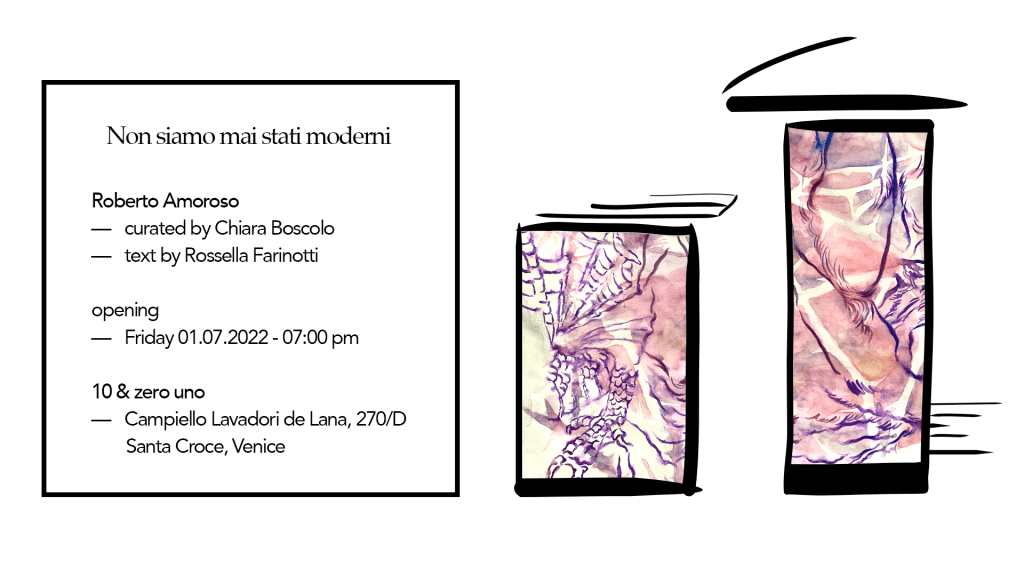
10 & zero uno is pleased to present Non siamo mai stati moderni, an exhibition by Roberto Amoroso, curated by Chiara Boscolo, with a critical text by Rossella Farinotti.
On the occasion of his solo exhibition, the artist presents a corpus of new works, eight watercolours to be exact and a site-specific intervention applied to the window of the space.
The research carried out by Amoroso revolves around the visionary narration of thorny themes that start from the human organism and from details that recall a carnal, living and moving physicality. Each work represents a great hybrid that escapes the eyes, often even an anthropomorphism that is never catalysed in a single, precise, static form but is created by the stratification and interconnections of uncontrollable elements that continue to evolve, breaking out of the central cage in which they were conceived by the artist for their deconstruction.
Amoroso emphasises his vision, taking to extremes certain symbolic elements that are part of his visual hemisphere: the humanised figures drawn by the artist belong to a queer universe and they are a necessary mirror for a personal identity analysis. We have never been modern. And we are still not today. The title of the exhibition, taken from the 1990s literary work by Bruno Latour, could not be more contemporary, seen today through the eyes of Amoroso.
Amoroso’s subjects and details are “chthonic” creatures, as Donna Haraway would define them, who writes of contemporary unicum and natural hybridities of gender and beings “at once ancient and newborn (…) full of tentacles, antennae, fingers, cables, whip-like tails, spider legs, and ruffled hair… (that) make and unmake, are made and unmade.” Amoroso also draws from here, relating personal, autobiographical experiences to an urgent context that needs to be resolved. It is science fiction, but it is real. They are body snatchers, but they are real. If we have never seen them, then we have never really been modern. But we can be futurists, breaking through the virtual curtain that pierces and shows every wound, pointing to that body that will become, as the artist wants, ‘stable and unchanging’.
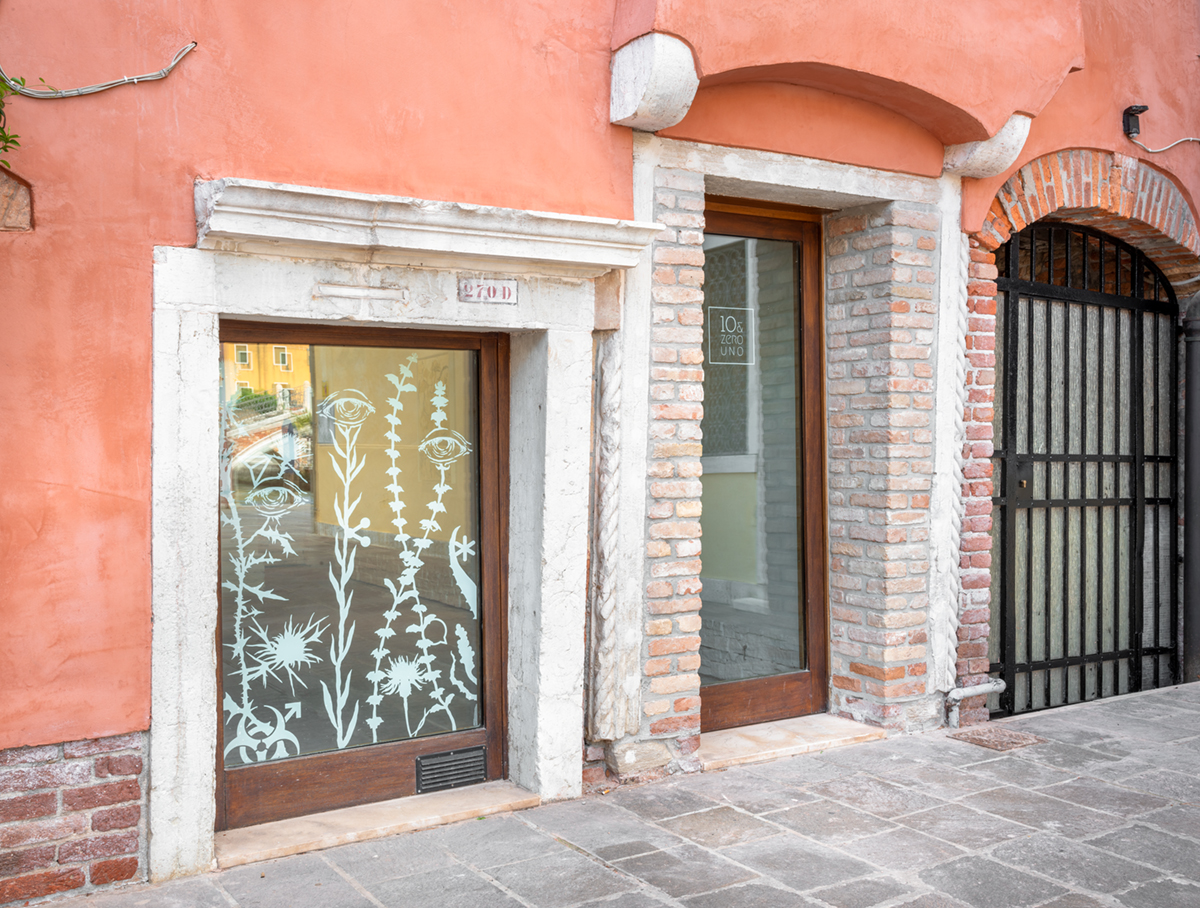
Exhibition View, Non Siamo Mai Stati Moderni, 2022, 10 & zero uno, Ph. Filippo Molena 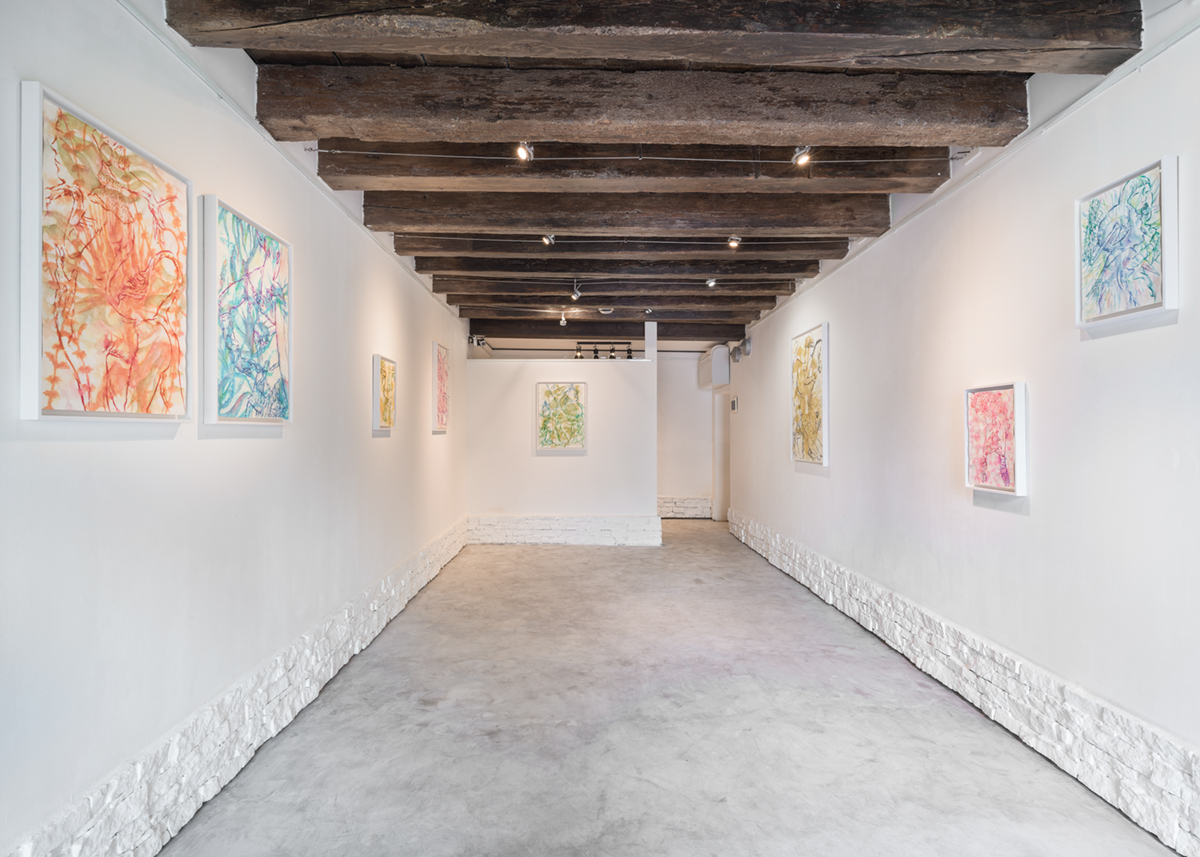
Exhibition View, Non Siamo Mai Stati Moderni, 2022, 10 & zero uno, Ph. Filippo Molena 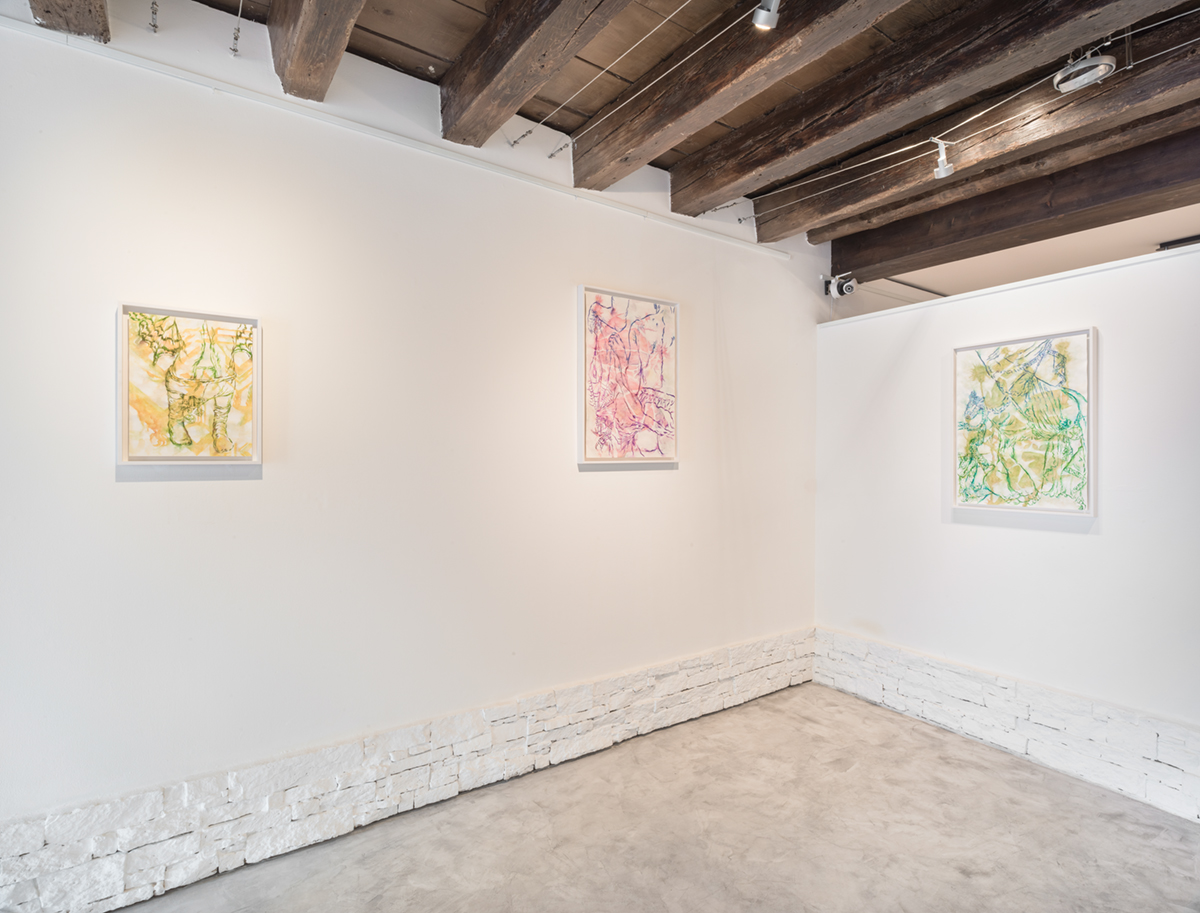
Exhibition View, Non Siamo Mai Stati Moderni, 2022, 10 & zero uno, Ph. Filippo Molena 
Detail, Roberto Amoroso, Non Siamo Mai Stati Moderni, 2022, 10 & zero uno, Ph. Filippo Molena 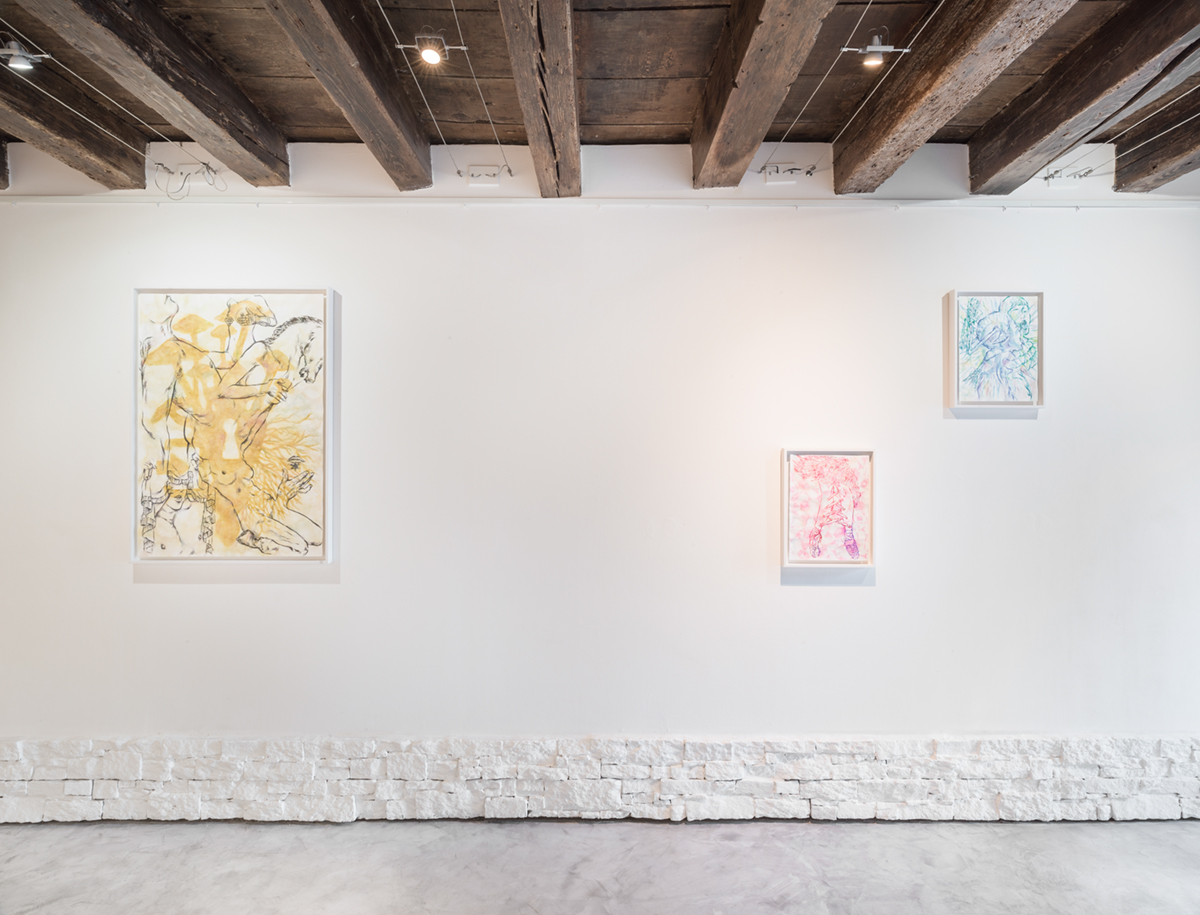
Exhibition View, Non Siamo Mai Stati Moderni, 2022, 10 & zero uno, Ph. Filippo Molena 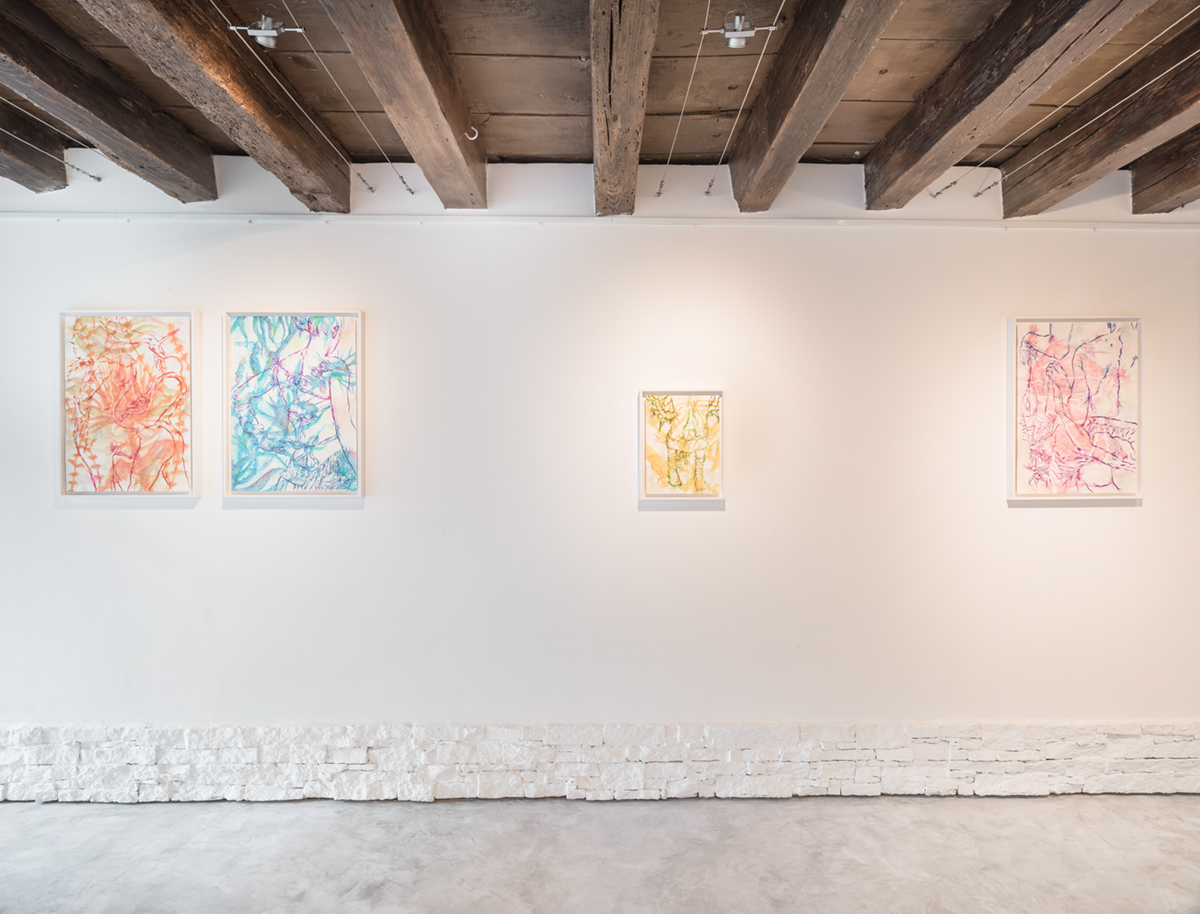
Exhibition View, Non Siamo Mai Stati Moderni, 2022, 10 & zero uno, Ph. Filippo Molena 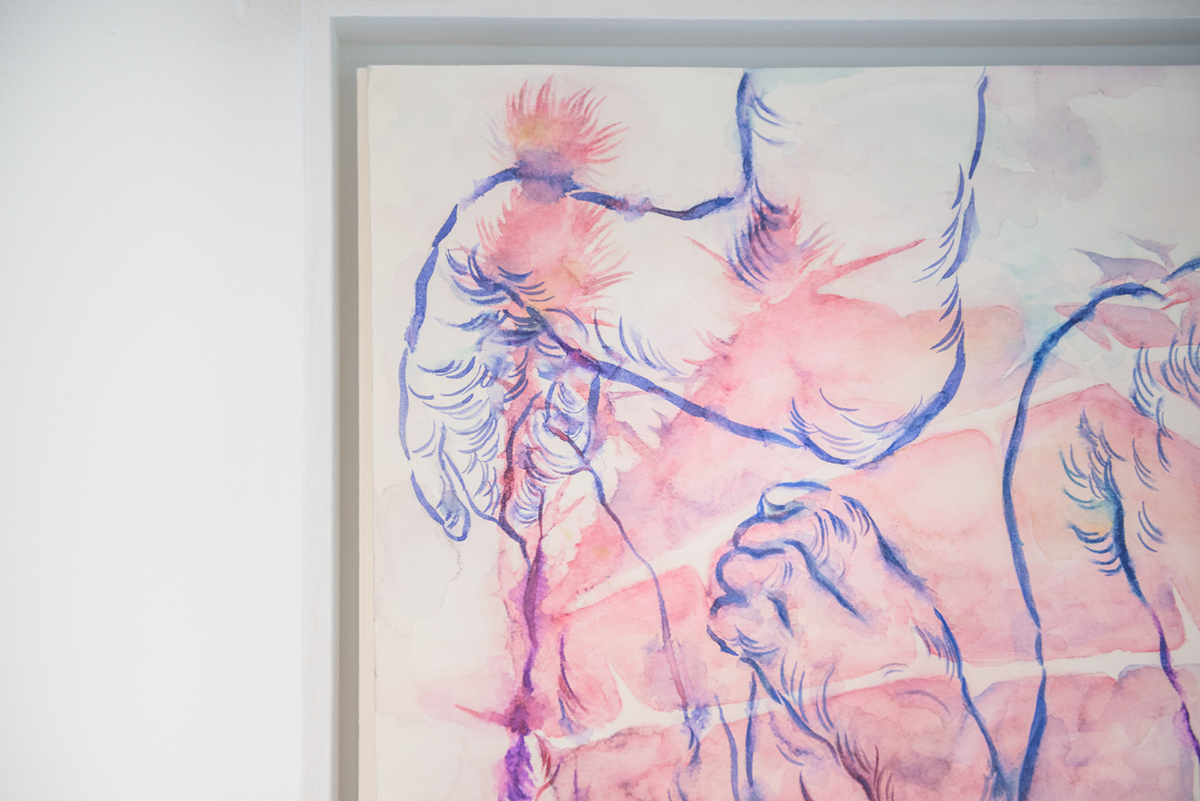
Detail, Roberto Amoroso, Non Siamo Mai Stati Moderni, 2022, 10 & zero uno, Ph. Filippo Molena 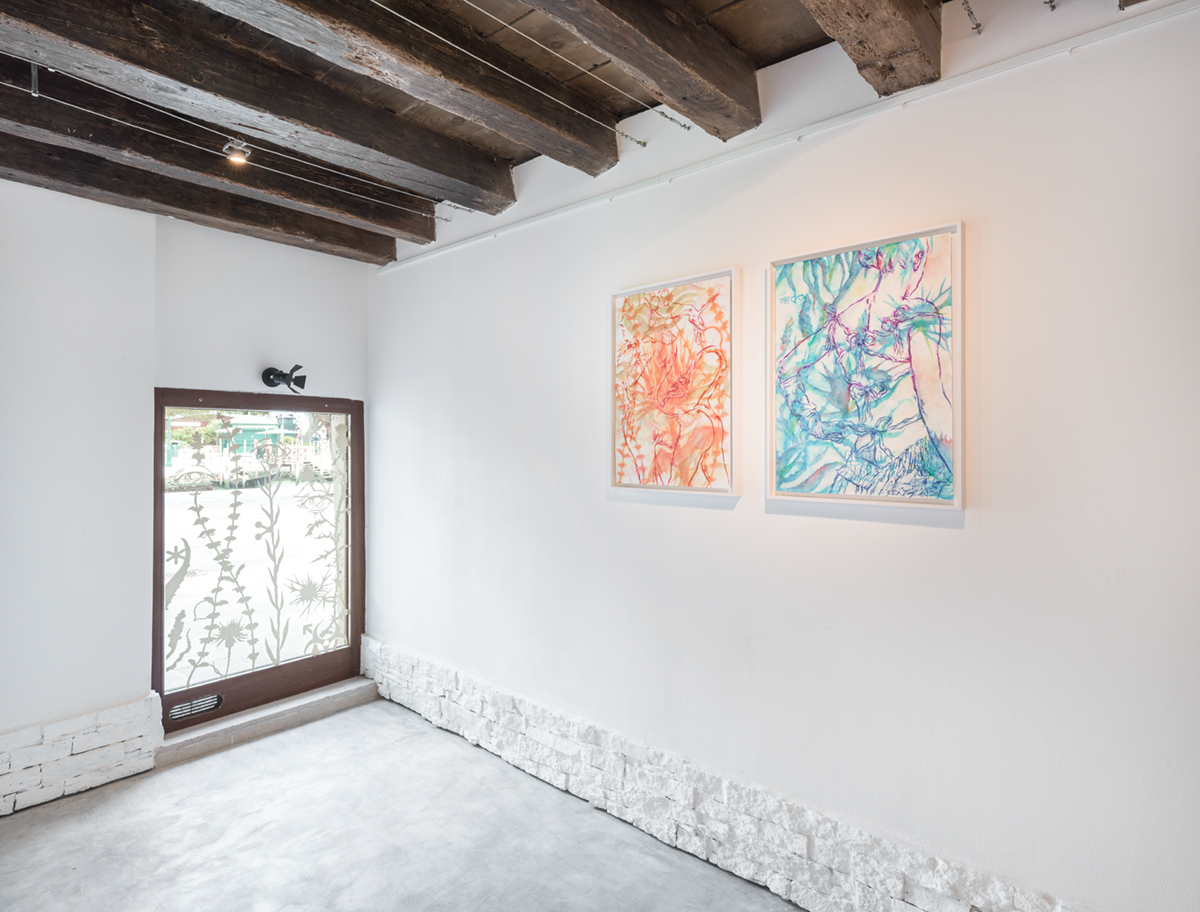
Exhibition View, Non Siamo Mai Stati Moderni, 2022, 10 & zero uno, Ph. Filippo Molena 
Exhibition View, Non Siamo Mai Stati Moderni, 2022, 10 & zero uno, Ph. Filippo Molena 
Detail, Roberto Amoroso, Non Siamo Mai Stati Moderni, 2022, 10 & zero uno, Ph. Filippo Molena
🖌️ Roberto Amoroso (1979, Naples)
focuses on the relationship between the real world and the virtual world. Using the strategy of hypertext, which unites the use of networked resources and objectifies the mind’s associations by transforming them into real and concrete connections, his work focuses on the thin boundary between the narcissism made explicit by people in the photos posted in social networks and the need to be represented by them. Photos posted in social-networks are then archived and processed in metamorphosis with the symbols of smart-phone and tablet applications, enhancing the ambiguous and theriomorphic appearance of the figures. After graduating in Digital Art from IED Turin, he participated in several exhibitions of national and international importance: SPOT2 Piece of my Art curated by Eugenio Viola and Adriana Rispoli, Museo Madre, 2009 Naples; Exhibition at the 10h Biennal of Miniature Art, Cultural Centre in Gornji Milanovac, 2010 Republic of Serbia; Amorosoteofilo, Annarumma Gallery, 2011 Naples; Exhibition at the Campania Pavilion for the 54th Venice Biennale curated by Vittorio Sgarbi 2011; Cairo Prize curated by Luca Beatrice, Permanente di Milano, 2011 Milan; Kunstform der Nature 2. 0 curated by Mihael Milunovic Parobrod, 2013 Belgrade; The human behavior, Mars Milan; 2014 Milan; 2000 Maniacs curated by Andrea Bruciati and Lorenza Boisi, 2014 Verona; I.P. Indentity Portrait, curated by Guido Cabib The format, 2015 Milan; Face to Face, Ernesto Esposito collection, Palazzo Fruscione, 2016 Salerno; Behind the Curtain, Galleria Dino Morra, 2017 Naples; Multiplex Conscience, Museo Madre, 2019 Naples.
 10 & zero uno